
In the realm of business technology, ERP systems have become integral tools for organizations seeking operational efficiency and competitive advantage asperts. When considering the Malaysian business landscape, the adoption and utilization of ERP systems present a myriad of opportunities and challenges. From navigating local regulations to maximizing customization options, the journey of implementing an ERP system in Malaysia is a multifaceted one. As businesses strive to align their operations with the demands of a dynamic market, understanding the nuances of ERP systems in the Malaysian context is key to unlocking the full potential of these solutions.
Importance of ERP Systems
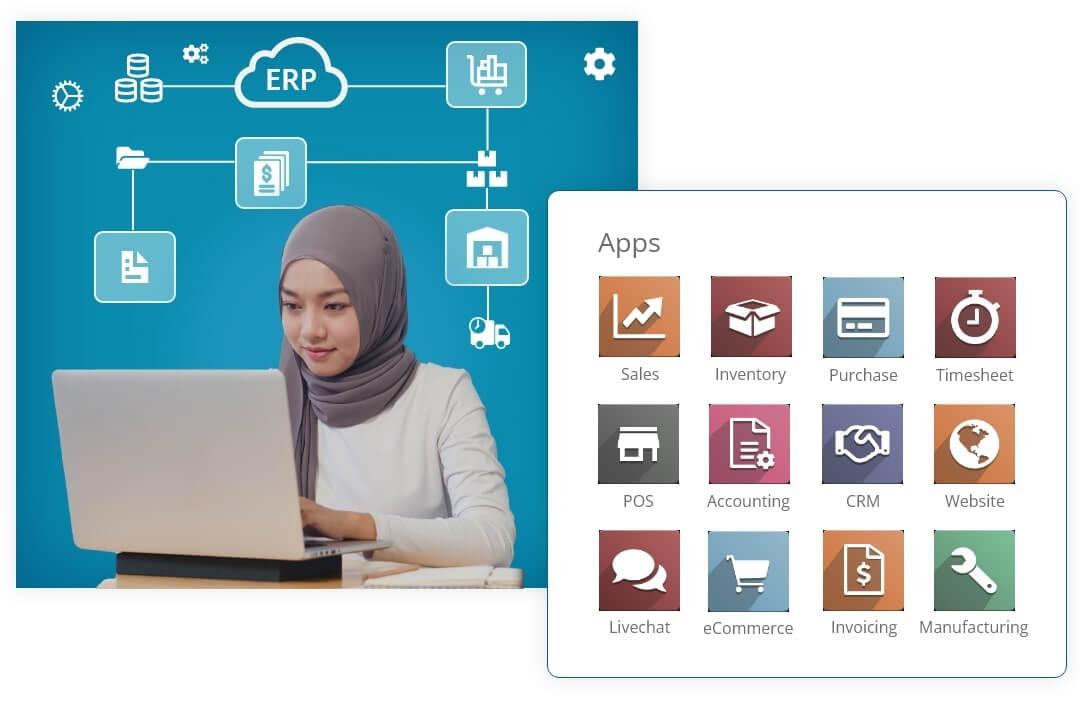
Implementing an Enterprise Resource Planning (ERP) system is crucial for organizations seeking to streamline their operations and enhance overall efficiency. An ERP system integrates various functions across departments into a single platform, providing real-time data and insights that enable informed decision-making. By centralizing processes such as inventory management, human resources, finance, and customer relationship management, ERP systems eliminate data silos and promote collaboration among different departments. This integration leads to increased productivity, cost savings, and improved customer satisfaction.
Furthermore, ERP systems help organizations standardize and automate their business processes, reducing manual errors and streamlining workflows. With features like data analytics, reporting tools, and customizable dashboards, ERP systems empower businesses to identify trends, optimize performance, and adapt quickly to changing market conditions. In today’s fast-paced business environment, having an ERP system is not just a competitive advantage but a necessity for organizations looking to stay agile and thrive in the digital era.
Key Features of ERP Software
Organizations seeking to optimize their operations and enhance efficiency often rely on Enterprise Resource Planning (ERP) systems for streamlining business processes. Key features of ERP software include integrated applications that automate functions like finance, human resources, supply chain management, and customer relationship management. This integration allows for real-time data sharing across departments, promoting collaboration and informed decision-making.
Another essential feature is reporting and analytics capabilities, providing businesses with valuable insights into their performance through customizable reports and dashboards. ERP systems also offer scalability, allowing organizations to easily adapt and grow without major disruptions. Additionally, these systems enhance data security by centralizing information and controlling access levels.
Moreover, ERP software often includes modules for regulatory compliance, helping businesses adhere to industry standards and government regulations. Furthermore, many ERP systems now come with mobile compatibility, enabling users to access vital business information on-the-go. In essence, the key features of ERP software empower organizations to operate more efficiently, make data-driven decisions, and stay competitive in today’s dynamic business landscape.
Benefits for Malaysian Businesses
Implementing an ERP system in Malaysian businesses can provide cost-effective solutions by streamlining operations and reducing manual processes. Additionally, it enhances operational efficiency by centralizing data and automating tasks, leading to increased productivity.
This improved efficiency supports a more informed decision-making process, as real-time data and analytics empower managers to make strategic choices based on accurate information.
Cost-Effective Solutions
A cost-effective solution, tailored to the specific needs of Malaysian businesses, can significantly enhance operational efficiency and financial performance. By implementing an ERP system that is affordable and meets the requirements of Malaysian companies, organizations can streamline their processes, reduce operational costs, and improve productivity.
Cost-effective ERP solutions offer Malaysian businesses the opportunity to invest in a system that provides long-term benefits without incurring excessive expenses. These solutions often come with customizable features that cater to the unique demands of the Malaysian market, allowing businesses to optimize their operations while staying within budget constraints.
Choosing a cost-effective ERP system can lead to improved profitability and sustainable growth for Malaysian businesses in the competitive market landscape.
Enhanced Operational Efficiency
To leverage the cost-effective ERP solutions tailored for Malaysian businesses effectively, enhancing operational efficiency becomes a strategic advantage that drives improved performance and competitiveness in the local market.
By streamlining processes, reducing manual tasks, and integrating data across departments, Malaysian businesses can achieve higher productivity levels. ERP systems provide real-time insights into operations, enabling quicker decision-making and resource allocation. This enhanced efficiency leads to reduced operational costs, improved customer satisfaction, and increased profitability.
Companies in Malaysia can automate workflows, track performance metrics, and optimize resource utilization with ERP systems, ultimately enhancing their operational efficiency to stay ahead in the dynamic business landscape of the country.
Improved Decision-Making Process
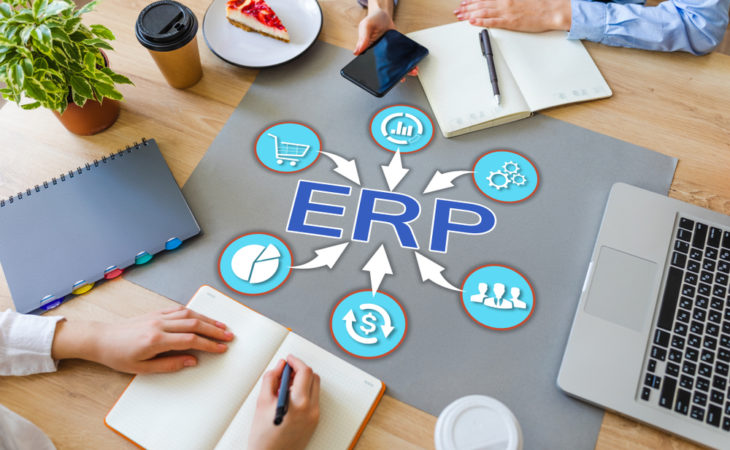
Enhanced decision-making capabilities facilitated by ERP systems play a pivotal role in driving strategic advantages for Malaysian businesses, fostering agility and competitiveness in the local market. By integrating data from various departments into a centralized system, ERP software provides real-time insights that enable informed decision-making.
This enhanced visibility allows management to identify trends, analyze performance metrics, and forecast future outcomes more accurately. With streamlined access to critical information, businesses in Malaysia can respond swiftly to market changes, optimize resource allocation, and capitalize on growth opportunities.
Furthermore, the ability to generate customized reports and dashboards empowers decision-makers to evaluate different scenarios, mitigate risks, and make data-driven decisions that propel the organization towards success in the dynamic business landscape of Malaysia.
Implementation Process in Malaysia
The implementation process of ERP systems in Malaysia requires meticulous planning and thorough understanding of both the organization’s needs and the local business landscape. It is essential to conduct a comprehensive analysis of the current business processes to identify areas that can be improved through ERP implementation. In Malaysia, factors such as cultural nuances, regulatory requirements, and market conditions need to be considered during the implementation phase.
Engaging key stakeholders from different departments is crucial to ensure a smooth transition to the new ERP system. Training programs tailored to the Malaysian workforce should be developed to maximize user adoption and minimize resistance to change. Additionally, working closely with ERP vendors that have experience in the Malaysian market can provide valuable insights and support throughout the implementation process.
Customization Options Available
Exploring the diverse customization options available for ERP systems in Malaysia enhances adaptability to specific organizational requirements and operational nuances. In the Malaysian market, ERP systems offer a range of customization features that allow businesses to tailor the software to suit their unique needs. These customization options can include the ability to modify workflows, create custom reports, integrate third-party applications, and personalize user interfaces. By leveraging these customization capabilities, organizations can streamline processes, improve efficiency, and align the ERP system more closely with their business objectives.
Furthermore, ERP vendors in Malaysia often provide services to assist businesses in customizing their systems to ensure optimal performance. This may involve working closely with the vendor’s consultants to identify key customization requirements and develop a tailored solution. Ultimately, the availability of customization options empowers Malaysian businesses to adapt their ERP systems to meet evolving demands and stay competitive in today’s dynamic market landscape.
ERP System Integration With Local Laws
Integration of ERP systems with local laws in Malaysia is crucial for ensuring compliance and aligning business operations with legal requirements. Malaysian companies need to ensure that their ERP systems are in line with regulations related to data privacy, taxation, employment laws, and other relevant legislation. By integrating ERP systems with local laws, organizations can streamline processes, minimize risks of non-compliance, and enhance overall operational efficiency.
One key aspect of ERP system integration with local laws in Malaysia is ensuring that the software adheres to the Personal Data Protection Act (PDPA) to safeguard customer information. Additionally, tax regulations must be closely followed to accurately report financial data and fulfill tax obligations. Employment laws dictate aspects such as payroll processing, employee benefits, and leave management, which should be integrated into the ERP system to ensure compliance.
Cost Considerations for Malaysian Companies
To effectively optimize their ERP systems in Malaysia, companies must carefully evaluate cost considerations to ensure efficient financial management and resource allocation. When implementing an ERP system, Malaysian companies need to factor in various costs such as software licensing fees, customization expenses, maintenance and support charges, and training costs. It is crucial for organizations to conduct a thorough cost-benefit analysis to determine the total cost of ownership over the system’s lifespan. Additionally, companies should consider hidden costs like data migration, integration with existing systems, and potential downtime during the implementation phase.
Moreover, Malaysian businesses must evaluate the scalability of the ERP system to accommodate future growth without incurring substantial additional costs. By understanding the full spectrum of expenses associated with ERP implementation and operation, companies can make informed decisions that align with their budgetary constraints and strategic objectives. Effective cost management ensures that organizations in Malaysia leverage their ERP systems to enhance operational efficiency and drive sustainable growth in the competitive business landscape.
Training and Support for ERP Users
Training and support are crucial aspects of implementing an ERP system in Malaysia. User training ensures that employees can effectively utilize the system, maximizing its benefits for the organization.
Additionally, ongoing support availability is essential for resolving issues promptly and ensuring smooth operation of the ERP system.
User Training Importance
Effective user training and support are crucial components in ensuring the successful implementation and utilization of an ERP system in Malaysia. Proper training equips users with the necessary skills to navigate the system efficiently, leading to increased productivity and user satisfaction. In Malaysia, where the ERP landscape is rapidly growing, providing comprehensive training tailored to the specific needs of users is essential for maximizing the system’s benefits.
User training should cover not only the technical aspects of the ERP system but also address how it aligns with the organization’s processes and goals. By investing in user training, companies in Malaysia can reduce resistance to change, enhance user adoption rates, and ultimately drive successful ERP implementations.
Ongoing Support Availability
Ensuring the availability of continuous support and training for ERP users is paramount for sustaining optimal system utilization and performance in the dynamic business environment of Malaysia. Ongoing support guarantees that users can address any system-related issues promptly, minimizing downtime and maximizing productivity.
Training sessions serve to update users on new features, enhance their existing skills, and ensure they are proficient in utilizing the ERP system to its full potential. Additionally, continuous support availability fosters a culture of learning and development within the organization, empowering users to adapt to system updates and changes effectively.
Future Trends in ERP Technology
The evolution of ERP technology is poised to revolutionize organizational operations in the coming years, paving the way for increased efficiency and strategic decision-making capabilities.
One of the future trends in ERP technology is the integration of artificial intelligence (AI) and machine learning. These technologies will enable ERPs to analyze vast amounts of data in real-time, providing valuable insights for businesses to make informed decisions promptly.
Another trend is the rise of cloud-based ERP systems, offering greater flexibility, scalability, and cost-effectiveness compared to traditional on-premise solutions.
Mobile ERP applications are also becoming increasingly popular, allowing employees to access crucial business information anytime, anywhere.
Additionally, the Internet of Things (IoT) is expected to play a significant role in ERP systems, enabling seamless communication between devices and systems for enhanced automation and efficiency.
As ERP technology continues to advance, organizations in Malaysia and beyond can expect a future where operations are more streamlined, data-driven, and adaptable to changing business landscapes.
Conclusion
In conclusion, ERP systems in Malaysia offer significant benefits for businesses by enhancing operational efficiency, streamlining processes, and ensuring compliance with local laws.
With customizable features, integration capabilities, and scalability options, these systems empower organizations to make informed decisions and stay competitive in the dynamic business landscape of the country.
As Malaysian companies continue to adopt ERP technology, they can expect improved productivity, cost-effectiveness, and growth opportunities in the future.